 Call
This is a critical warning
Call
This is a critical warning

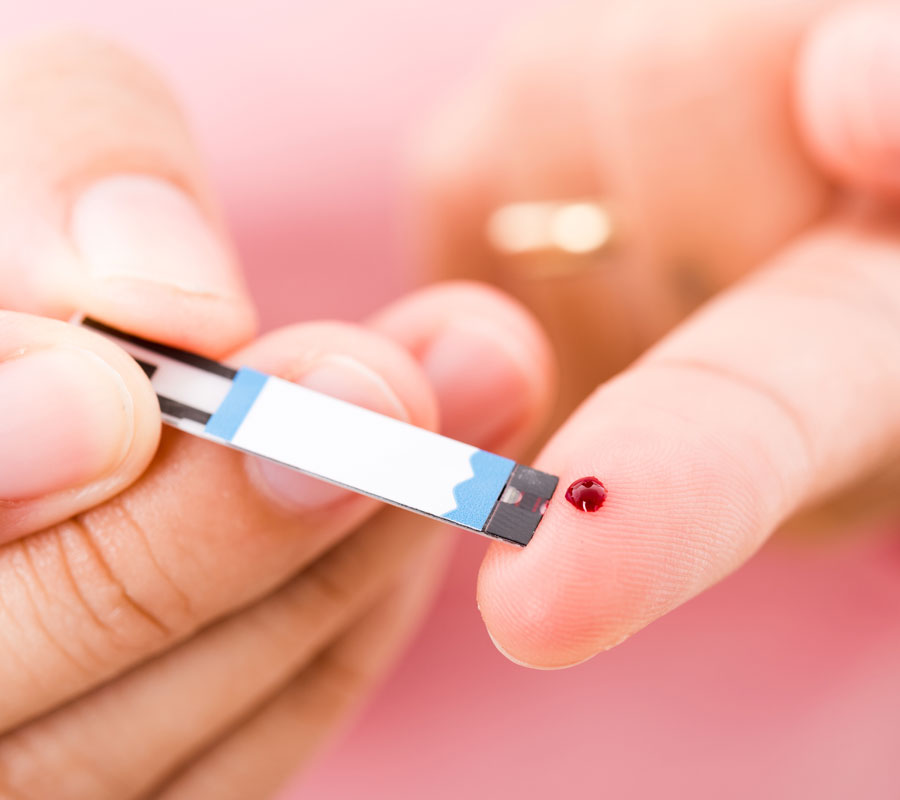


Our PSA (Prostate Health) Test measures the level of Prostate-Specific Antigen (PSA) in your blood — a protein produced naturally by the prostate gland. Elevated PSA levels may be an early indicator of prostate cancer, but can also be raised due to non-cancerous conditions, such as prostate enlargement (benign prostatic hyperplasia), inflammation (prostatitis), or urinary tract infections (UTIs). This simple at-home blood test provides valuable insight into your prostate health, helping identify whether further investigation is recommended. It’s most suitable for men aged 40 and over, or those with a family history of prostate or related cancers, and can be completed quickly and discreetly from home.

All our home testing kits include a FREE GP consultation to discuss your results and next steps - giving you complete peace of mind from the comfort of your home.

Important: Only suitable for those 18 and over. Collect your sample in the early morning (ideally between 7 a.m. and 10 a.m.), no fasting is needed. Avoid vigorous exercise, cycling, or sexual activity (including ejaculation) for 24–48 hours before testing, as these can temporarily elevate PSA levels.


If you would prefer to have the test done with one of our clinicians in clinic you can receive a comprehensive prostate health assessment with iGP’s Prostate Examination and PSA Test available in Cardiff, Carmarthen, Newport, and Swansea. This service includes a PSA blood test to measure prostate-specific antigen levels, alongside a GP-led physical examination with a male doctor, including a digital rectal exam and optional testicular check. A follow-up consultation is provided if results indicate further discussion or investigation is needed.
PSA Testing & DRE
Simply choose your test by ordering online or by contacting us directly. At the time of ordering, you will be asked to complete pre-appointment questionnaire, which you can complete online . Suitable for those over 18 years of age.
1
Choose the home test that’s right for you. Securely pay online and complete the simple online consent form so we can process your order.
2
Your testing kit will be posted directly to your chosen address, ready for you to use at home.
3
Follow the step-by-step instructions included with your kit to collect your sample, then return it to the lab using the prepaid envelope provided.
4
Once processed, your results report will be sent via email with a secure link to our encrypted patient portal, where you can view and download your results. You will also receive a link with your results to book a FREE online GP appointment to discuss your results if you wish.
Following your appointment you will receive an electronic report clearly detailing your test results, how they compare to a healthy range, the implications and recommended next steps. Test result reports are shared via our secure patient portal, usually within 72 hours (results can take longer depending on the test you requested).

The PSA test measures the level of Prostate-Specific Antigen in your blood. PSA is a protein produced by both normal and abnormal prostate cells, and higher levels can indicate changes in the prostate that may need further investigation.
While raised PSA levels can be an early sign of prostate cancer, they are not specific to it. PSA can also be elevated due to:
Who should take this test? This test is recommended for men aged 45 and over, or younger men with a family history of prostate cancer or Black/African-Caribbean heritage, as they are at higher risk. It’s also useful for men who wish to monitor their prostate health regularly or have been advised to track PSA levels by their GP.
Your kit includes everything you need for safe, easy collection using either a finger prick or Tasso device. Simply follow the instructions provided, collect your sample, and return it in the prepaid envelope.
A raised PSA level doesn’t automatically mean you have cancer. It indicates that further investigation (such as a repeat PSA test, digital rectal exam, or referral to a urologist) may be needed to determine the cause.
Yes, PSA levels can vary from day to day and can be influenced by recent activity, infection, or even mild inflammation. For this reason, your doctor may recommend repeat testing before deciding if further steps are necessary.
A normal PSA result suggests that no significant prostate changes are currently detected. However, PSA should be monitored annually (or more frequently if you’re at higher risk) to track any changes over time.
No, wait at least 7 days after a digital rectal exam, catheterisation, or urinary infection before testing, as these can cause temporary PSA elevation.
Results are typically available within 2–3 working days after your sample reaches the laboratory. You’ll receive a secure link to view your report via our encrypted patient portal, with the option to book an online GP appointment to discuss your results if you wish (at an additional cost).
If you’re over 45 or at increased risk, it’s advisable to test once a year as part of your regular health screening. Your GP may suggest more frequent monitoring if your PSA has previously been raised or you’re under observation.
We want to ensure that all of our patients receive the information they need to make an informed decision about their Treatment. If you have any questions or if you require assistance with anything, please let us know.

The Independent General Practice
Copyright 2025 - Registered in England and Wales No 5122019.


